
Thank you Kidmilli
The year 2026 is a bumper year for Korean hip-hop. Among the Korean hip-hop memes, there is one that says, “Thank you, Kid Milli.” Whenever Kid Milly releases an album, good albums are sure to come out. In 2021, Changmo [Underground Rock Star], Kundi Panda, Choi LB [Independent Music], and even Hwana released their corona season works all at once, and in 2023, Binji Norang E-Sense came out, followed by Sky Minhyuk, Odoma, and Rob On A Beat.
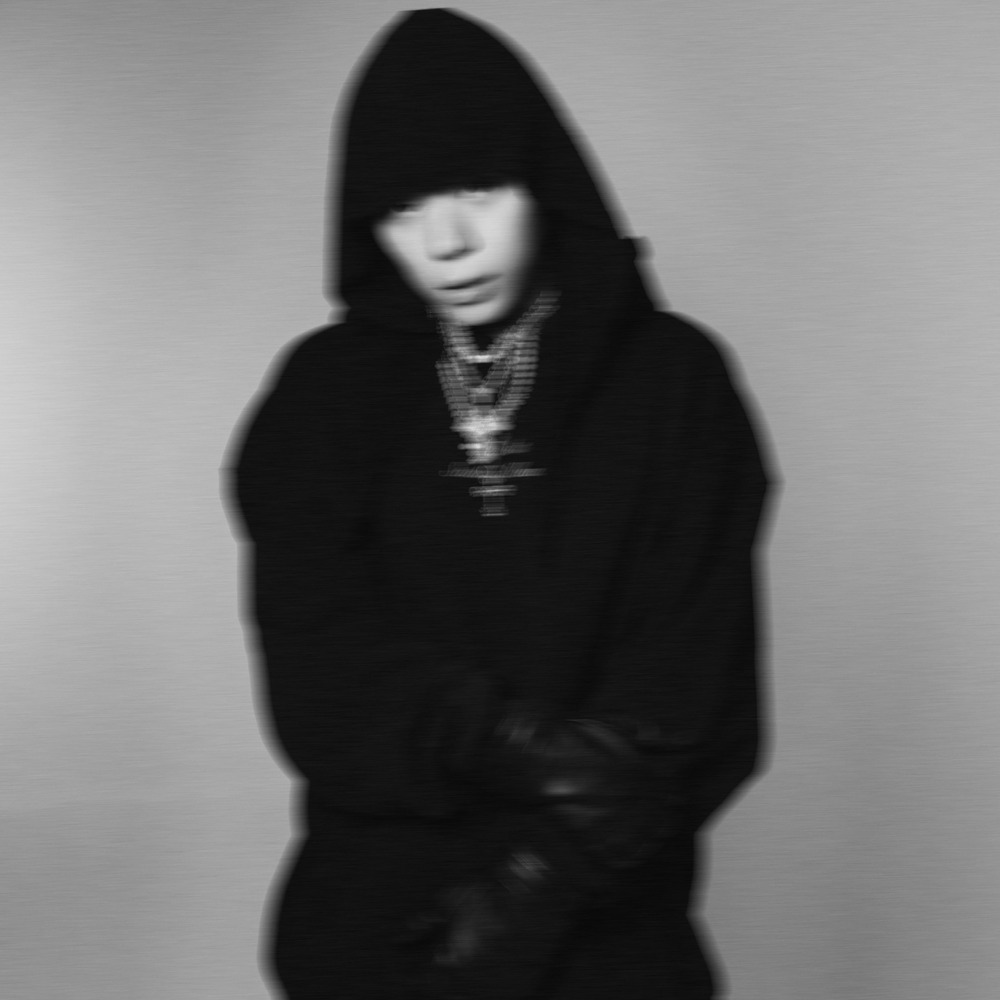
However, this year, Kid Millie started a label called POV, and if last year was KC’s year, this year is pouring out works to the extent that it can be said to be the year of POV. Today I brought two of them.
There is a reason why the two albums were brought together. There are changes in the way R&B/Soul meets hip-hop. These two albums are two different vectors. [PURITY] is R&B that comes from the lineage of alternative R&B, and [SOUL BABY] is R&B seen through the lens of hip-hop production. It has the same root, but the door you enter is different. Moreover, the two teams — ARCHYPE, with Matthew, and OKASHII, with Raf Sandou — are crews we all know with some crossover. In a way, it is the ‘music community’ we like. This story will continue to come up later.
Let’s start with [PURITY]. Alternative R&B has a long history now. But I still think it’s a bit naive to only talk about Frank Ocean and Daniel Caesar. After that, there was a line that spread from Odd Future to Brockhampton, and this album is exactly that. It feels closer to what Frank Ocean, Matt Champion, and Kevin Abstrack were doing.
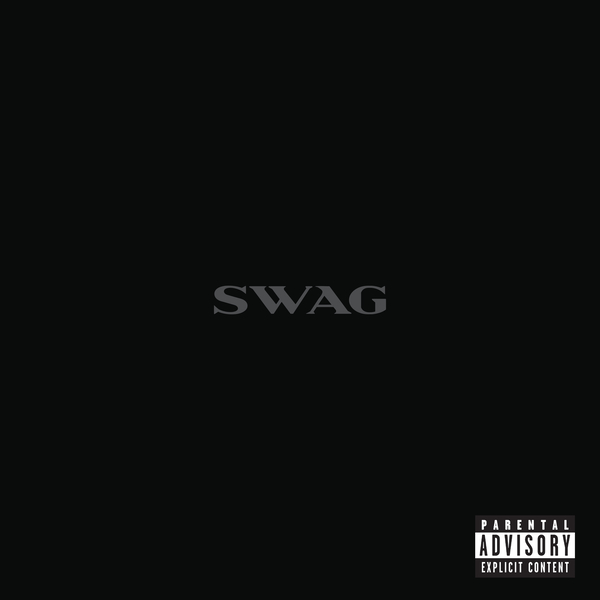
Last year, Justin Bieber brought in musicians like Dijon and Mk.gee and proved it with [SWAG], right? It feels like the stylish sensibility of pop or R&B is added to that deconstructed mood. The production is lyrical and moves the mood, but I like it subtly because it’s not a big instrument that’s distorted.
What’s really great about this album is the story. It’s a story about a person who has lost his innocence. Starting with “The boy died,” I wandered around thinking that the innocent days were over, but let’s not forget them, and then it turned out that that innocence was in my body, and I prayed that I would find it again, “Is this me?” It ends with a question. But wnsday’s vocals that sing this fit the character perfectly. He’s street and rebellious, but if you get to know him, he’s soft, pure, and has a boyish emotional line.
Because the lyrical sincerity comes out of that rough mouth, it is portrayed like a movie. It may not make sense because the lyrics are in English, but the interpretations are kindly provided, so it’s fun to follow along, and in the middle and latter part of the song, there’s a “Hmm…?” It’s interesting that the album’s device is that even the sections I want to hear are resolved in ‘Cloud Nine’. And ‘Towel’, the voices of Minoy and Yoon Dahye were used really well for the rhythm and mood. You can look at it as Afrobeats or as Alter, but it’s just a great track so it’s a must-listen.
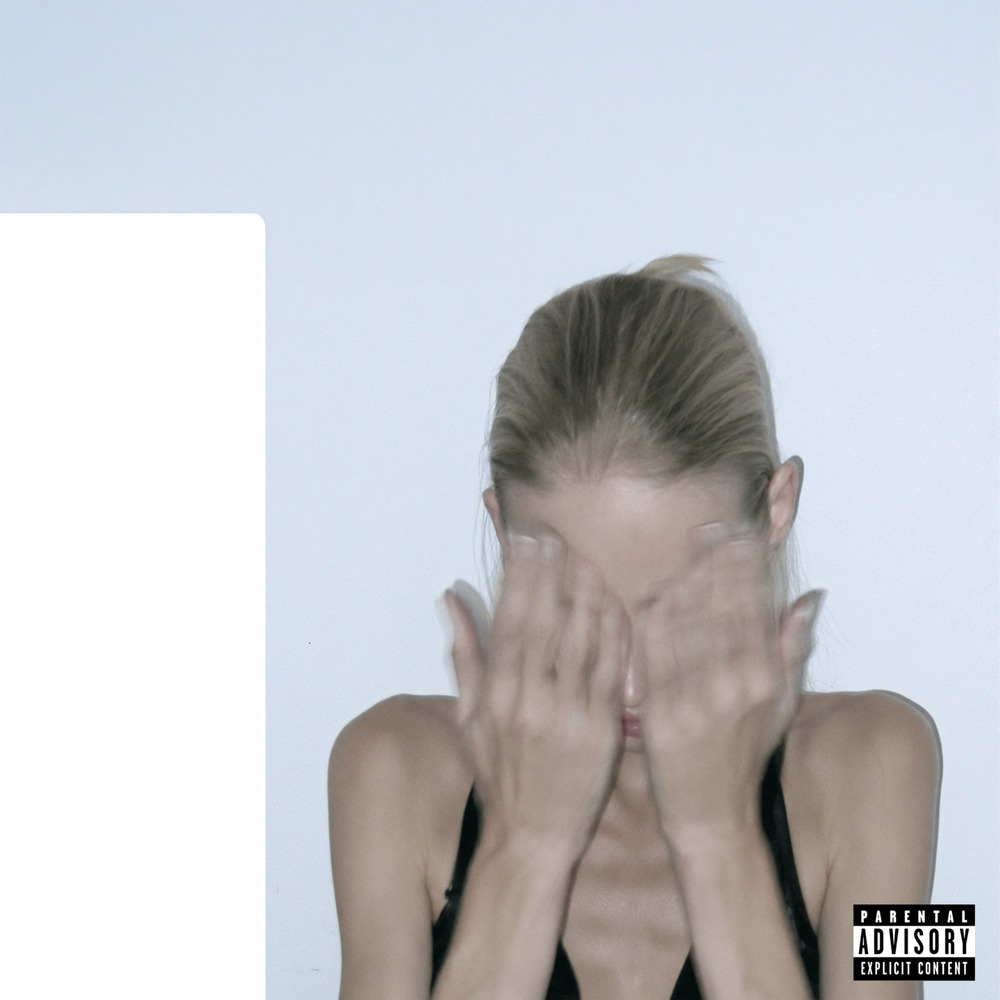
[SOUL BABY] is the opposite. This is how hip-hop producers interpret R&B/soul. This has a genealogy. Rjana Kanye pitched up the soul of the 90s and 00s to create chipmunk soul, and when it’s trap, it becomes trap soul, when it gets faster and more distorted, it becomes jerk, and when it goes towards opium and catty, it becomes rage.
I feel like this album encompasses all of those things. It’s a collection of music with a different resolution than new grooves like Griselda’s Drumless or KAYTRANADA. In fact, Raf Sandou listened to Soul when he was young and now plays Rage. He said that this is an album that reflects his tastes.
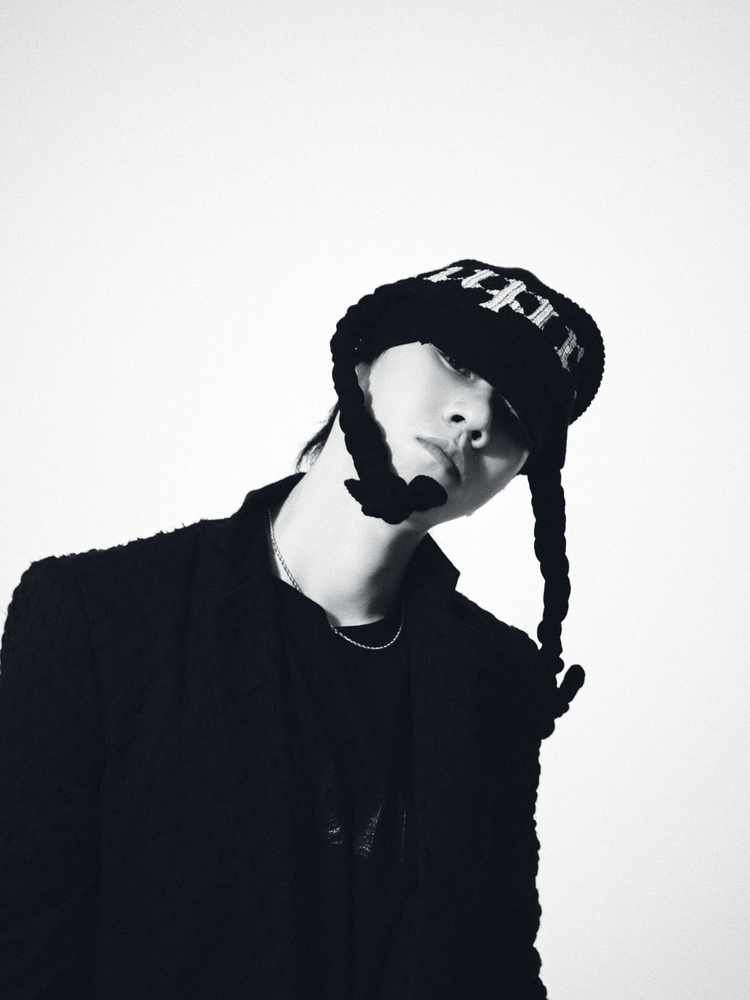
The career of a person named Raf Sandou is also interesting. Because of my father’s business, I lived in Canada and Japan for a long time since I was young, so I speak Japanese well. He is a third culture kid. Many cultures are mixed, and that mixture is reflected in my career. Show Me 12 mainly showed rap, but ‘MOHO’ was closer to R&B/soul, and there was also some self-expression through singing. [SOUL BABY] is also positioned in the middle between digital native underground music such as rage/jerk and R&B/soul.
Give a hint from the first song. I sample Glen Check’s ‘Vivid’, which is meaningful to me, and the next song is Dahye’s soulful voice. The next romance is a soul song called Pitch Up, Chipmunk Soul, but the rhythm goes crazy with jerks. The lyrics incorporate Bryson Tiller’s ‘Don’t’ and SZA’s ‘Snooze’, and it’s also fun to hear a sound that leaves you confused as to whether it’s a talk box or a tune.
Honestly, what’s disappointing is that there aren’t any songs that really hit the mark. There is no single tingling sound. But I look at it this way, this is not a finished album, but an album of possibilities. As a third culture kid, Raf Sandou is a transitional identity with multiple cultures overlapping. So this album is rather a complete portrait of that person. Would you say it’s a sophomore aesthetic? I liked the mix of possibilities, “This person could go on like this.”
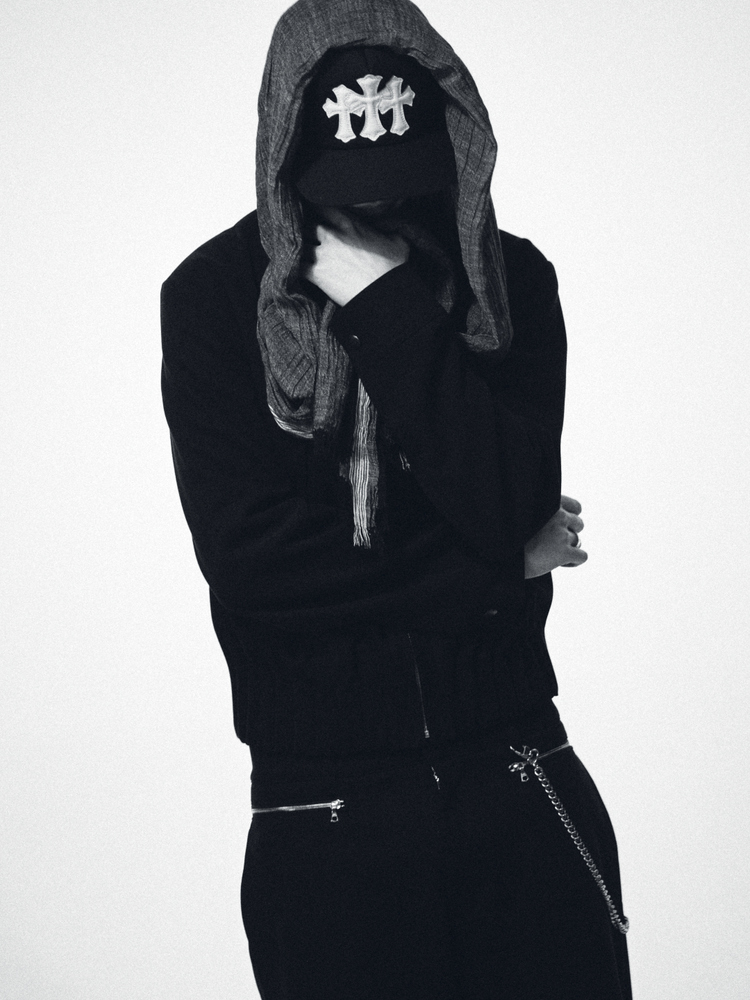
And Matthew, who produced both of these albums, I think you could call him Producer of the Year. It has a wide spectrum and avoids self-replication well. But what I really want to say is this. Lee Min-hyuk, who goes by the name Lipiza, and Shepherd Boys keyboardist participated in these albums. I like this. Performers, DJs, and producers come together to create a new sound, and it becomes a movement.
If you look far away, you’ll see Soul Shock & Carlin, and if you look closer, you’ll see The Dinner Party — Robert Glasper, Ninth Wonder, Terrace Martin, and Kamassi Washington. And Bad Bad Not Good and Take a Day Trip. This is all connected to the culture of music communities such as the British jazz dance scene, Donga Planning, Hana Music, and Soul Quarience. And there are people like that in our scene now. Rhythm Hope Love’s Sindrum, Haeun, guitarist and producer Jun Second Life, bassist Hyung, Midnight Jogging Club, Jay Park’s bandmaster, Lee Chan-jin, Decadang, Stephen who plays the keyboard and produces with Hanro, etc.
People like this come together and make a good album together. In the end, good music comes from a loose community that connects genealogy. So today, I bundled these two albums together and recommended them.