

The five R&B and soul albums released over the past month all look back. But each looks back in its own way. One looks back at childhood memories, one at other people’s songs, one at an era, one at the neighborhood where she grew up, and one at herself. R&B and soul have always carried on by re-singing and borrowing the songs of earlier generations. These five records show that there is more than one way to do it.
Lalah Hathaway [Made In Chicago]
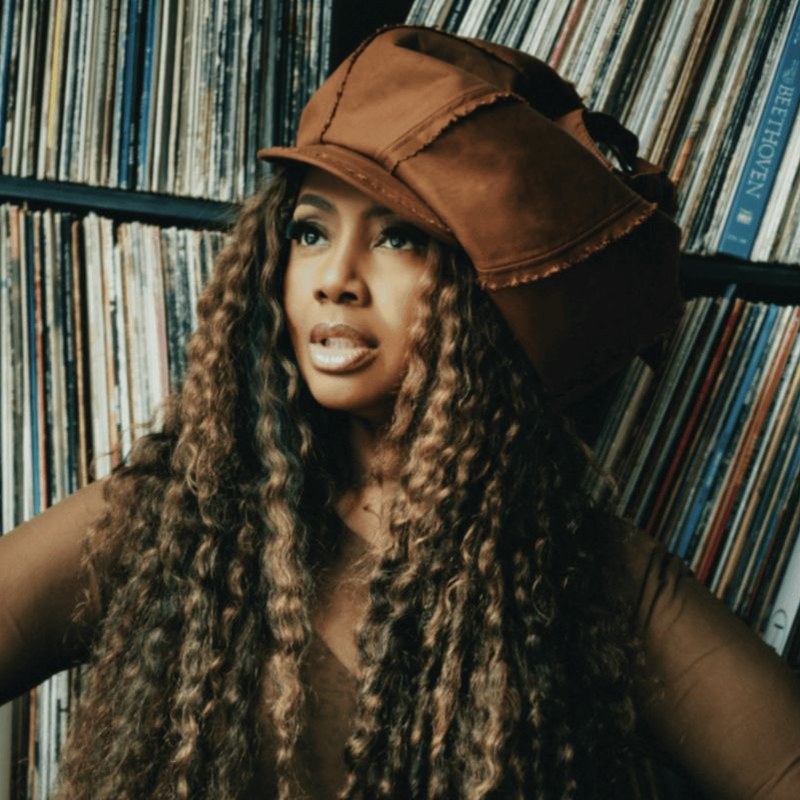
Lalah Hathaway’s new album [Made In Chicago] came out on October 1, the day that would have been her father Donny Hathaway’s 81st birthday. Yet she herself said this is not a “dad album.” It is much closer, she said, to the joyful music she heard in Chicago around the time she was turning into a teenager. Born in Chicago in 1968, she lost her father in the winter of the year she turned ten. While saying that the loss is something she will be processing her whole life, and that the mark his music left on hers is permanent, this time she chose her own memories.
The first thing she pictured while making the album was herself in a leather coat, gazing at the Chicago skyline across Lake Michigan. She described the album as her own version of the music she heard as a child in Chicago, and said its songs sit somewhere between nostalgia and melancholy. Production was handled by Hathaway herself and Phil Beaudreau. Beaudreau also played trumpet, guitar and even percussion, and Elena Pinderhughes played flute.
Lead single ‘47th Street’ is named after the street where her father’s side of the family lived. It honors her grandfather Hosea, and Chicago poet J. Ivy recites the story of the Great Migration from the South up to Chicago. The second single, ‘Can’t Let Go,’ she said was built on sensory memory, and she called it her own quiet storm.
Release day was also the 79th anniversary of the Chicago Transit Authority. Around that time, the station announcements across every line of the Chicago ‘L’ were temporarily voiced by Lalah Hathaway. On the evening of the release, a listening session was held on Chicago’s South Side, where Chicago-born artist Theaster Gates sat down in conversation with her. The album came out on her father’s birthday, but what it deals with is her childhood in that city.
Meshell Ndegeocello [Synonym]
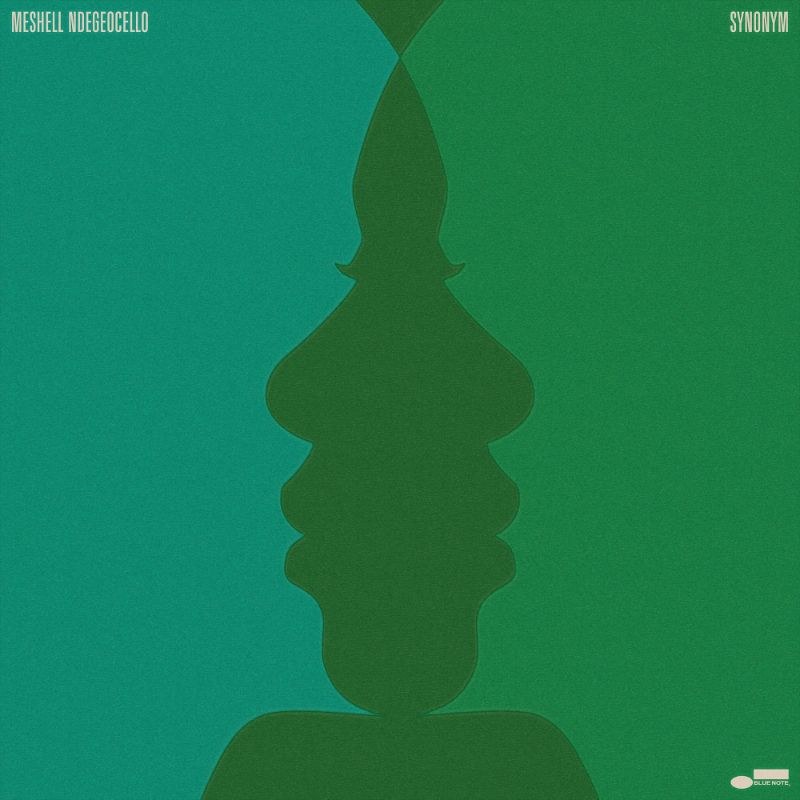
Elena Pinderhughes, who played flute on Lalah Hathaway’s album, plays flute again on Meshell Ndegeocello’s album, released the very next day. And on that album, two of Donny Hathaway’s songs are sung once more.
[Synonym], released October 2 on Blue Note, is a duet album that re-sings well-known songs in two voices. Aretha Franklin and George Michael’s ‘I Knew You Were Waiting (For Me),’ The Human League’s ‘Don’t You Want Me,’ Dolly Parton and Kenny Rogers’ ‘Islands In The Stream,’ Sonny & Cher’s ‘I Got You Babe,’ Ja Rule and Ashanti’s ‘Always On Time,’ and Roberta Flack and Donny Hathaway’s ‘Be Real Black For Me’ and ‘The Closer I Get To You.’ The list stretches from 1960s folk to early-2000s hip-hop. The names singing alongside her are just as wide-ranging: Chaka Khan, Cynthia Erivo, Lianne La Havas, Moses Sumney, Robert Glasper, Cat Power, Brandi Carlile, ANOHNI, Willow.
According to Blue Note, a key feature of the album is that the two people singing each song identify as the same gender or sit on a similar wavelength. Ndegeocello said the project expresses queer liberation as a synonym for every kind of liberation. That is also where the title ‘Synonym’ comes from. She explained that these arrangements are synonyms for the originals: the sound is different, but the meaning is the same. She also said she defines nothing, and that she is freest where there is no definition.
Production was handled by Ndegeocello herself, drummer Abe Rounds, and David Gamson. That means she reunited, after 30 years, with the man who made her 1993 debut [Plantation Lullabies] and 1996’s [Peace Beyond Passion]. It is just as she said: on this album she wanted to show her skill as a producer. Her two previous Blue Note albums won the Grammy for Best Alternative Jazz Album in 2024 and 2025 back to back.
The tracks that drew praise across the board were ‘Don’t You Want Me’ with Cat Power and ‘Golden Ring’ with Brandi Carlile. On the other hand, some critics noted that a few songs strayed too far from the charm that made the originals beloved.
Victoria Monet [Frequency Of Love]
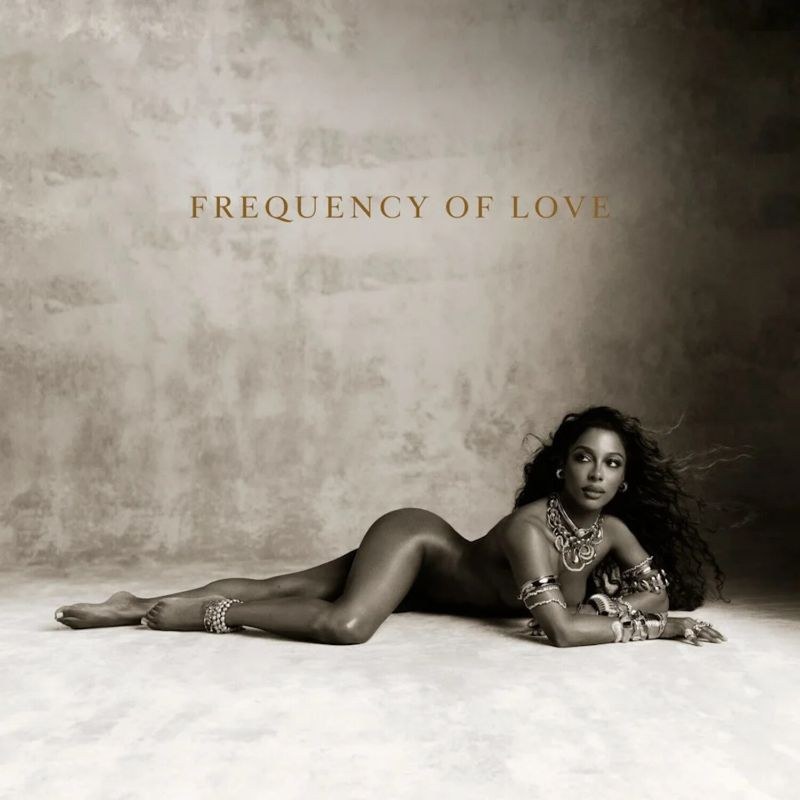
If Ndegeocello re-sang other people’s songs whole, Victoria Monét’s album, released the same day, borrowed parts of songs.
[Frequency Of Love] is her second studio album, arriving after [JAGUAR II] won three Grammys in 2024, including Best New Artist. Before that, she was known first as the songwriter who co-wrote Ariana Grande’s ‘7 rings’ and ‘thank u, next.’ Executive production was shared between Monét and Camper, and ‘Reach Out,’ released alongside the album announcement, was made by KAYTRANADA and D’Mile.
R&B from the ’90s and early 2000s runs all through the album. ‘Almost’ draws on Brandy’s ‘Almost Doesn’t Count,’ ‘Head To Toe’ takes from Joe’s ‘All The Things (Your Man Won’t Do),’ and the closing track ‘For You’ is a new rendition of Kenny Lattimore’s ballad of the same name. ‘Care For Somebody’ is her own take on a song she first heard in the film
The features are wide-ranging too: SZA, Bruno Mars, Lucky Daye, Bryson Tiller, Chlöe, Leon Thomas. And on ‘You Mean The World To Me,’ sung with Leon Thomas, her five-year-old daughter Hazel gets a credit. Monét said many of the songs reflect what she went through and felt while in love, adding that the album deals with many kinds of love, from love for her daughter to love for the world. She was clear about the time it took, too: taking time to make the next album, she said, should be a given.
Critics praised her reverence for ’90s R&B. At the same time, some songs were faulted for clinging too closely to their sources. One outlet wrote that some of the homages read like essays that lean on quoting their sources directly. She put it this way: “I didn’t make ‘Thriller.’ I just made the version I could make with that mindset.”
Jhene Aiko [Westside Whimsy]
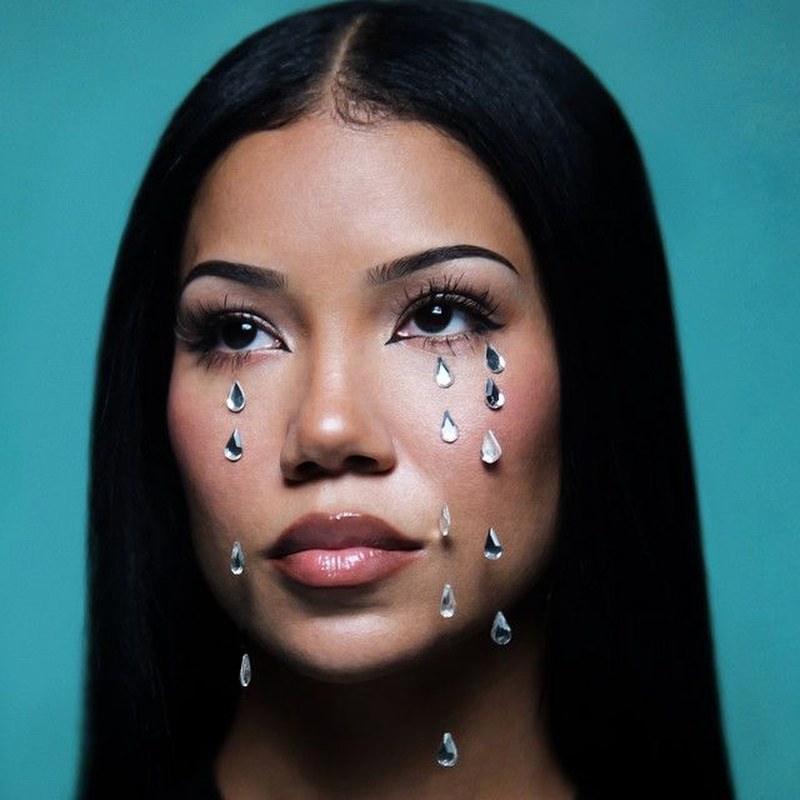
If Monét borrowed an era, Jhené Aiko went back to where she grew up.
[Westside Whimsy], released September 11, is her first studio album in six years, since [Chilombo] (2020). She announced the album only three days before release, and it debuted at No. 1 on the Billboard 200, the first No. 1 of her career. Her previous best had been No. 2 for [Chilombo]. The title was first teased in January this year through a smoothie made in collaboration with the LA grocery store Erewhon. She said the album was influenced by all of ’90s music, but especially by West Coast car culture, surfing, the beach, and that laid-back feeling. California is a magical place, she said, and she loves a good road trip.
She was born in Los Angeles in 1988 and grew up in South LA. After her house caught fire when she was seven, the family moved near Slauson Avenue, a neighborhood she calls “Slauson Hills.” The album opener ‘Wild Cat(s)’ is about her parents and the years she grew up. Announcing the release, she wrote that it had taken six years, and thanked everyone for waiting.
The people with her are also longtime companions. Fisticuffs, the production team behind most of the album, has worked with her since her 2013 debut EP [Sail Out]. With Kendrick Lamar, who appears on ‘So Good,’ she has traded songs since 2010, back to ‘Growing Apart (To Get Closer)’ from her mixtape. Ab-Soul, Tyga, Larry June: the features are all from California, too.
One outlet read the album as a laid-back ode to Los Angeles, coming after earlier records steeped in grief and breakup. It is the same thing she said herself: ‘Westside Whimsy’ is not a project but a way of life.
Tinashe [Popstar]
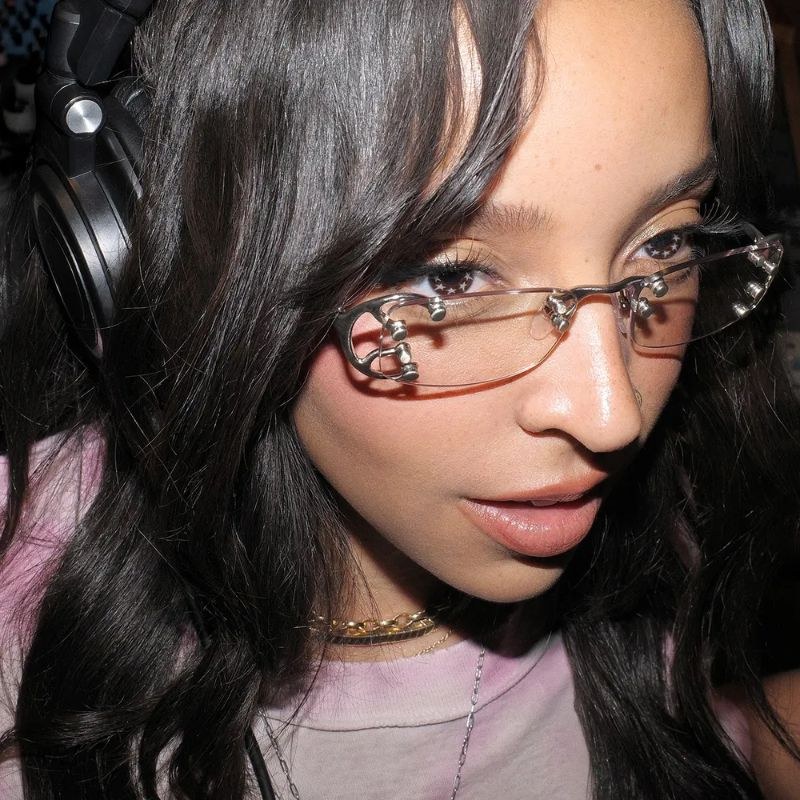
That same September produced one more record. Tinashe’s [Popstar], released two weeks after Jhené Aiko’s album, debuted at No. 6 on the Billboard 200, the first top-10 album of her career.
Her studio debut was [Aquarius], released on RCA in 2014. After leaving RCA in February 2019 she released her albums independently, and in 2024, as ‘Nasty’ spread, she reached the Hot 100 under her own name for the first time. [Popstar], which came after that, is her eighth studio album. It is also the final chapter of a trilogy following [BB/Ang3l] (2023) and [Quantum Baby] (2024), though she said that as she made it, it started to feel like something else. Talking about the highs and lows of her major-label years, she said freedom helped her find herself again.
What she wrote right after the release is more direct. She said she had long been misunderstood, overlooked and made a joke of. She had heard things like “You still make music? Why haven’t you quit yet?” but she had never given up on herself or her art. The songs carry that story too. ‘Empty Stadium’ came from a recurring dream of waiting for applause on stage, and ‘Heavy Weight’ deals with the weight she carries as the eldest child. There are several producers, including Zack Sekoff, kimj and Couros, and Arca lent a hand on opener ‘Sunglasses,’ but there is not a single feature.
Still, this isn’t something to read only as autobiography. Tinashe called being a popstar a kind of energy, a persona, so to speak. There is a lot of sarcasm on the album, and she said she is being serious and joking at the same time. One outlet described it as an album made by someone who had attention, lost it, and won it back on her own terms.
Tinashe said that with this album, she as an artist had come full circle. The same is true of all five records. Lalah Hathaway went back to the Chicago of her early teens, Meshell Ndegeocello to other people’s songs, Victoria Monét to the ’90s, Jhené Aiko to Slauson Hills, and Tinashe to herself.